
Creaturgy
A Collectivist Field Guide.
Creaturgy is a field guide designed to help all people identify and make use of their creative capacities. The project's foundation is a dialogue between the aggregate voice of 130 artists who responded to a survey. In recognizing that the future can alter the present and the present can alter the past, a vital facet of this research is to complicate the application of the human impulse to create with testaments from artists across generations, to collage a voice across time.
Artists as leaders teach us that we give ourselves and others dignity through choice — and with dignity comes trust, and with trust, the feeling of acceptance people need to contribute to the broader world. Through Creaturgy, readers understand that they can always choose their identities as Creators and Believers and contribute by recommitting to those identities through discovery prompted by the unique afformations in the field-guide format.
If you are interested in receiving project updates, please email sopheinecke@gmail.com
“In the natural environment, combinations and connections create vibrancy and new life; likewise, a flourishing process of learning arises from countless formal and informal interactions and their emergent properties. This process is characterized by a free-flowing, uninterrupted exchange of insights, experience, and ideas among the friends at the grassroots.”
- The Universal House of Justice, Letter, December 31, 2025
Experience A Handful of Difficulties, a dynamic new work created to consider how truth changes us , this work-in-progress showing, the August 22, 2026 iteration, uses music, text excerpts.
Abridging and creatively interpreting the 1935 Bertolt Brecht text "Writing the Truth – Five Difficulties," this presentation invites dialogue around what is missing in the original text, acknowledging honesty as more than an instrument of journalistic integrity but the foundation of human virtue. The text puts Brecht's advisement into an evolution through the wisdom this cohort of artists centers in their organizing: safety is not the absence of threat but the presence of connection.
This work hopes to bring all involved closer together, reminding us of a shared responsibility to ask and answer the question: where and how are we teaching people to independently investigate the truth and find solidarity in that act?
“Reality or truth is one,” ‘Abdu’l-Bahá said, as recorded in The Promulgation of Universal Peace. “If they seek reality itself, they will agree and be united. In unity, the truth will be revealed, and the wrong made right.”
‘Abdu’l-Bahá, Bahá’í World Faith, p. 411
The Dramatic Situation:
A group of journalists returns to a newsroom after the death of one of their colleagues on assignment to decide if they should continue to pursue her story. The sonic interventions are guided to encourage a felt understanding of how the characters find unity in contradiction, feel confident sharing what they believe to be the truth, and hone their intention and concern for the destination of what they say and write.
Because this is grounded in the lived reality of journalists all over the world as well as people living in the United States who are in increasing water scarcity, you may want to take a moment to further engage with some factual sources about:
Journalists Killed in 2025 in different parts of the world for their pursuit of truth in reporting
The Division of the Colorado River Basin into the Upper and Lower Basin Regions
"Without facts, you can't have truth. Without truth, you can't have trust. Without trust, we have no shared reality, no democracy."
Maria Ressa, 2021 Nobel Prize acceptance speech
The Devising Company:
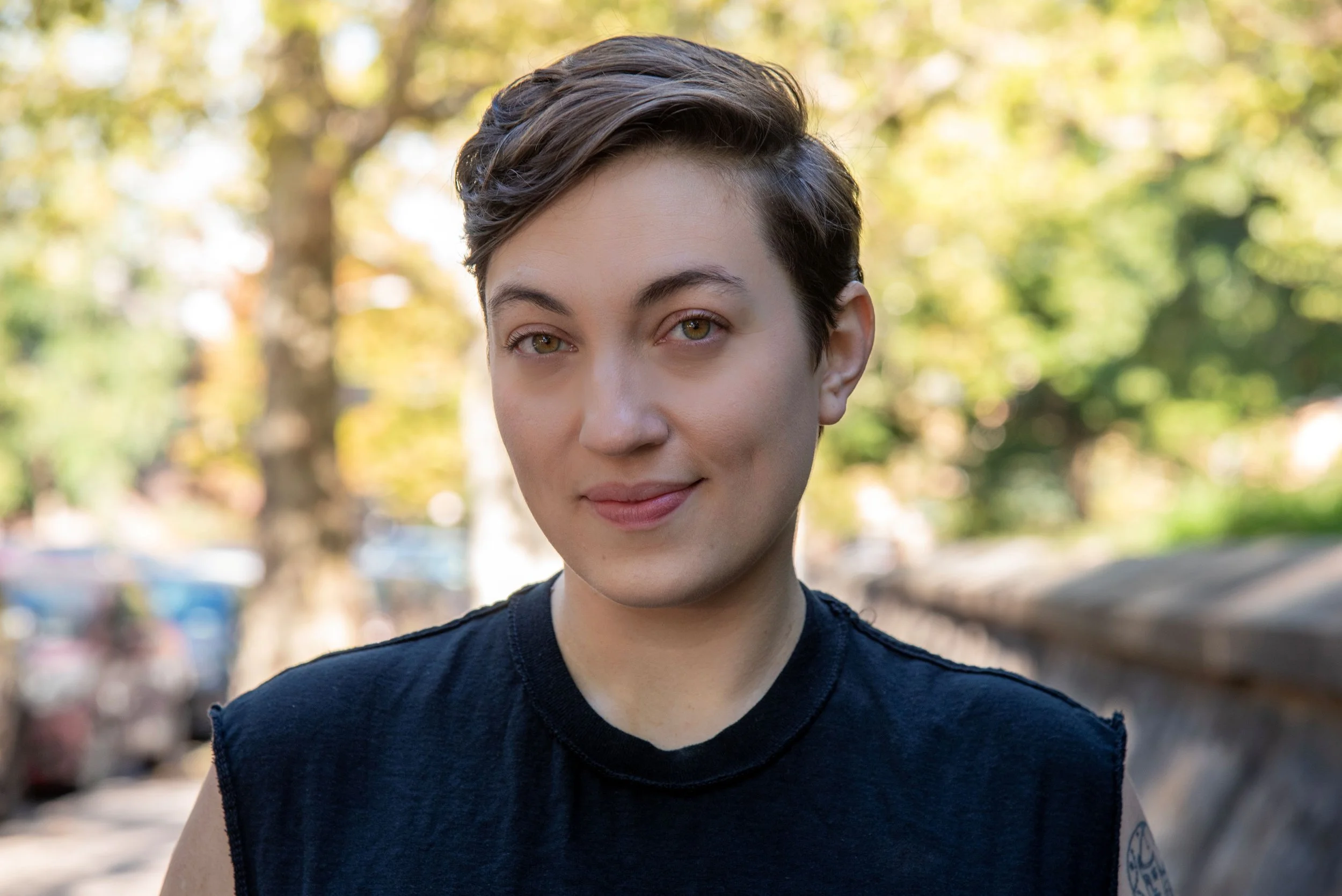

"Describe a time when a creative work or experience brought you closer to understanding your truth—either for a moment or in a more lasting way."
The devising company responds…
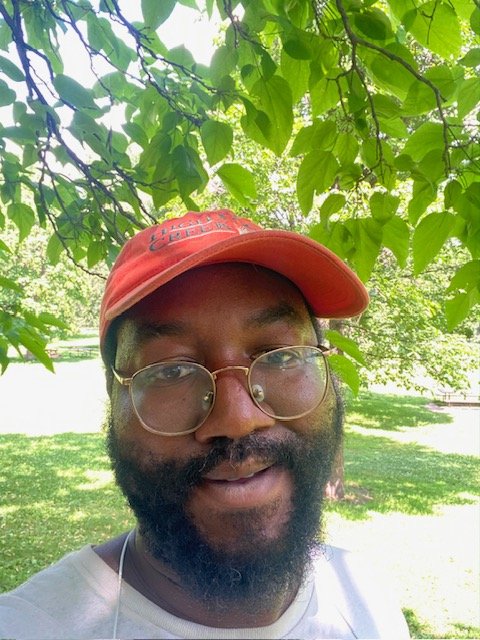
Adam Turay - Guitar
The last six minutes of the fifth episode of the first season of Terence Nance’s Random Acts of Flyness is a masterclass in deconstructing propaganda and properly situating narratives. The white savior complex in film and literature has been described at length, but this piece [hybrid doc/narrative non-fiction?/video essay before that was a thing?] really showed me the ways in which Hollywood glorifies white (mostly male) rage. More than that, it examined the reasons for that glorification and the real-life implications it had re: politics/everything else.
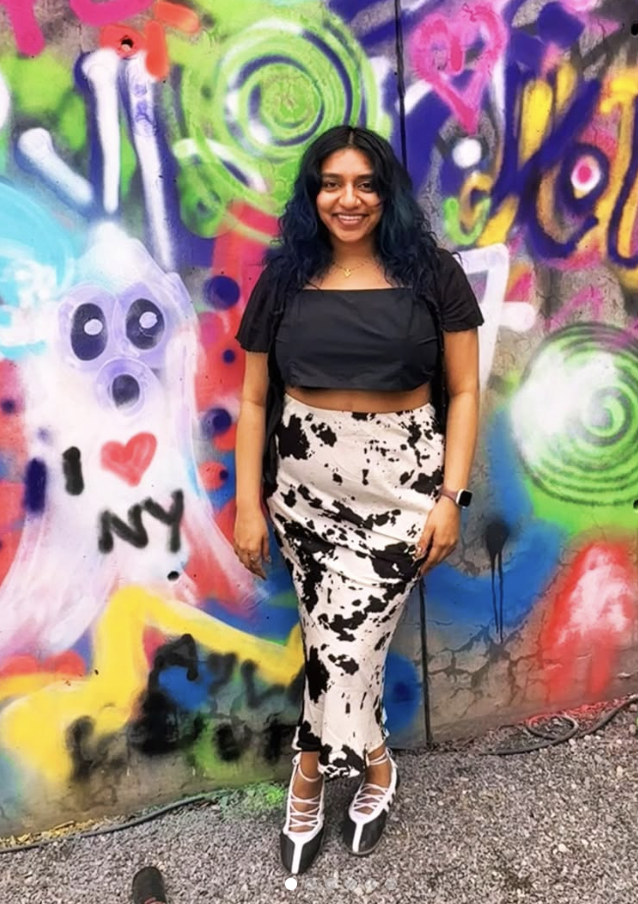
Jamila Khan - Reading for News Director
My creative work has existed at the intersection of my lived reality. There are pockets of creative moments, such as stitching textiles that bring me back to my childhood summers, escaping the concrete jungle to my grandparents in their village home, and watching them weave with bamboo from the land. Everything has a purpose and place on this earth. Nakshi kantha tapestry is one of my favorites and is a form preserving folk art history alive. The hand stitches aren't meant to be perfect, which is what I love about it. Our hands can create so much, so I try my best to stitch and create from moments and times. My truth exists alongside the desire to carve out stories that go untold…unseen. As a storyteller, connecting with people, sound, and community is how I get closer to understanding my truth. These stories of belonging and the practice of oral storytelling keep me rooted and, at the very least, create some form of space for these practices to exist. Even if it’s for a moment.
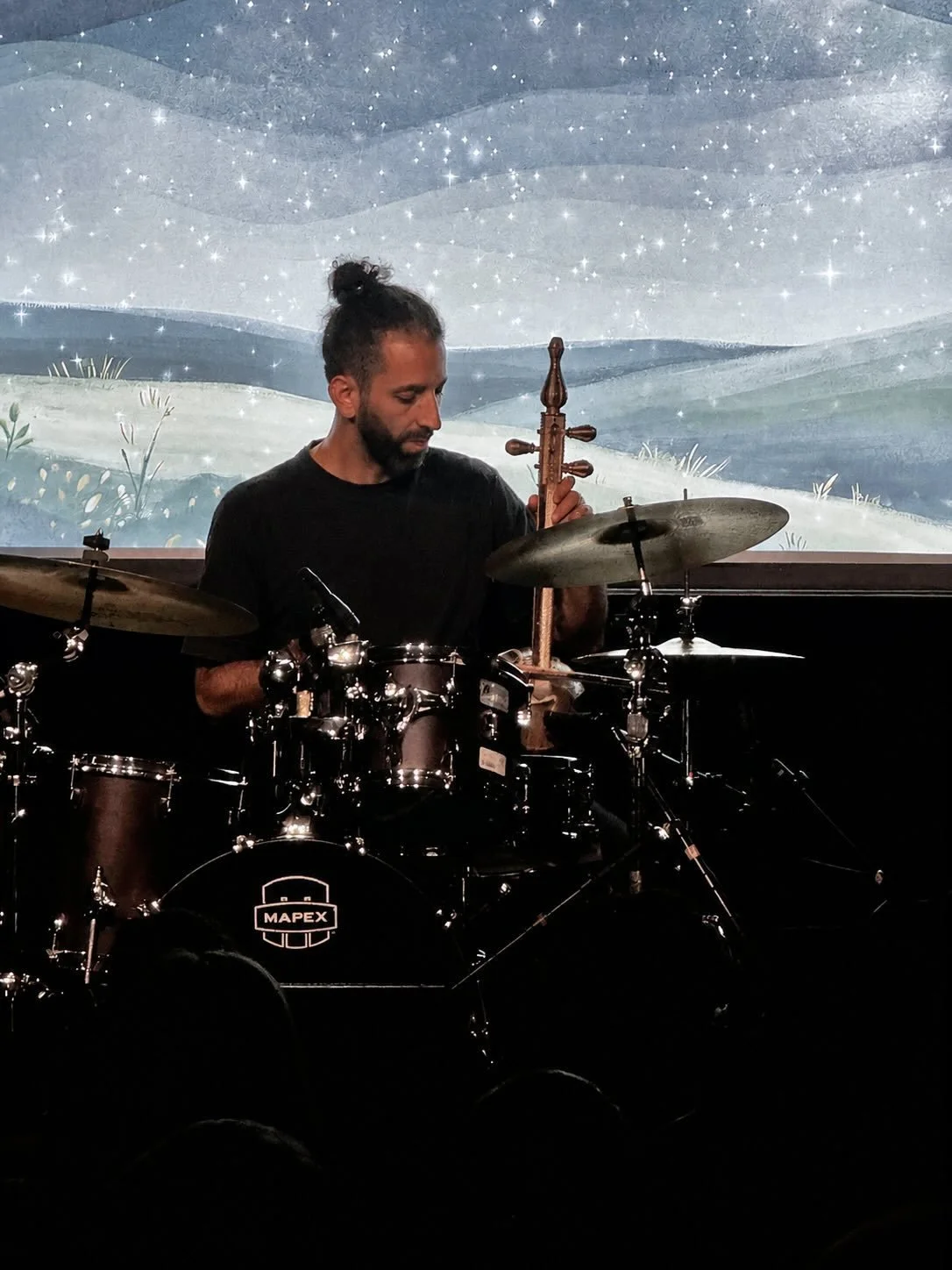
Kaveh Haghtalab - Kamancheh, Musical Direction (Portrait by Pantea A. Tofangchi)
I once heard my teacher, Majid Kiani, say that good art fills you rather than drains you. Some art can move us deeply, elicit an emotional response, even make us cry, but leave us feeling empty and powerless. The kind of art he was describing does the opposite. It opens something inside you, gives you energy, and leaves you more connected to the world.
I experienced that in one of his classes. At the end of a long session, he began to improvise. It may have lasted only fifteen or twenty minutes, but when I left the room, I felt changed. Walking outside afterward, I remember looking at strangers on the street with unusual tenderness, love, and compassion. Nothing dramatic had happened externally, but internally something had shifted.
That moment brought me closer to a truth I still carry: music is not only sound or technique. When a musician is filled with love, beauty, presence, and sincerity, that quality can travel through the music and reach other people's hearts. It can soften us, wake us up, give us hope, and briefly show us a more generous way of being.
For me, good art reveals beauty not as decoration, but as something alive in the world. Something that can restore our sense of hope and remind us that there is wisdom moving beneath the surface of things. It transforms the listener’s relationship to themselves and to others, and makes us feel, even briefly, more held, more connected, and more open-hearted.
Lily Ali-Oshatz - Reading for Editor-In-Chief
I started learning something very big and very new in my 30s. After a lifetime of acting, dancing, movement, and voice training, I started studying Red Nose Clown. I did no preparation for my weekend Red Nose workshop with Karen Anne Light in April 2024, deciding that my only goal was to be present and try my best. I was newly engaged to my partner, had just celebrated my birthday, and was wearing my new job as an arts administrator like a shirt that was far too tight, tugging in all the wrong directions. On a beautiful spring morning, I hustled from the train in the crisp wind, straightening my black clothing.
We began. I followed. Near the end of a full-body exercise that brought us from the floor and into a standing position, I lifted my head at last. A bright flutter landed on me and in me. My eyes lit up. My smile warmed. Butter melted on my heart while my pulse pulled cotton candy. And I met my clown.
Sometimes we prepare and train and toil our whole lives so that we can finally learn to allow. I allow my clown to contain my full range of existence until I expand beyond myself. In her, I am fearless and can touch the tender and the ugly. I find a steady march through endless poetic play, and our world grows with me. We live here together. Our shared truth.
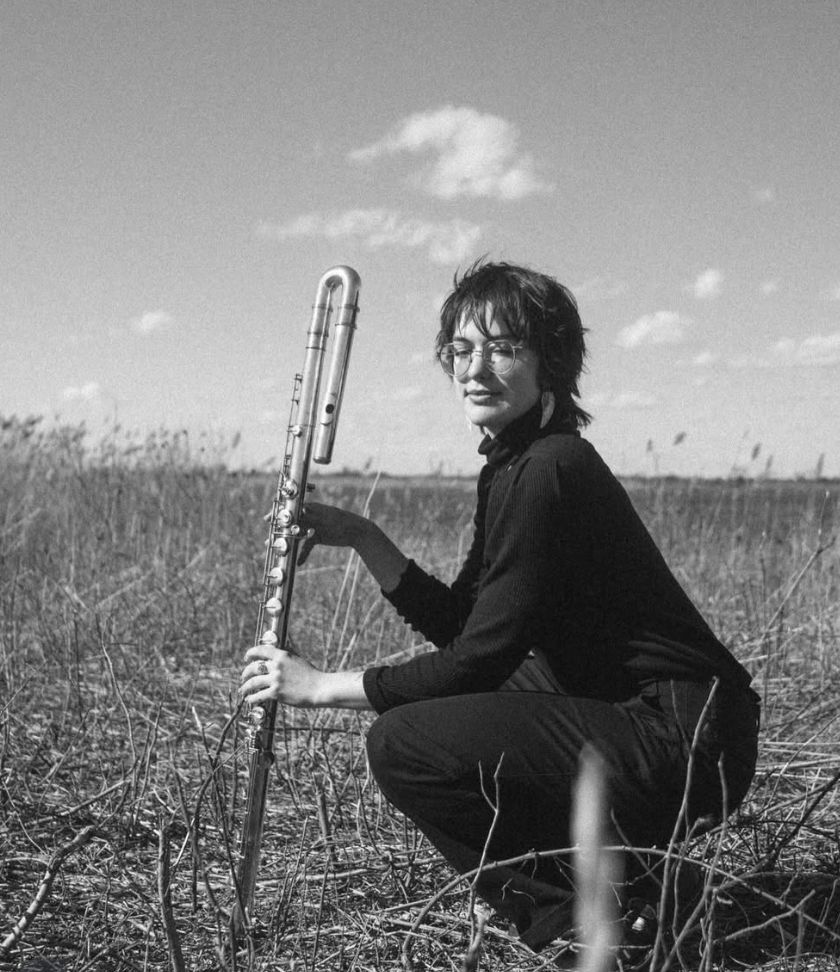
Samantha Kochis - Flute
I could give a long answer to this question, and maybe this is an “over coffee” conversation, because I feel like this has happened so many times like this in my life. I’d say a big moment for me was playing flute for my late mentor’s funeral memorial service.
It made me think about how I want my life to proceed, how I want to view the world, how I want to play music and be with people. It was the closest I have felt to God in a long time.
There are many other moments too, but right now the definition of “truth” here resonates most with my personal path and how I’m supposed to provide peace and movement to the world/others.
Subscribe to Samantha on Substack!
Sierra Michelle - Reading for Social Media Reporter
I produced and acted in my first show post-graduation in New York City back in October 2025. The act of producing and being a creative during the process was both incredibly rewarding and challenging, and the artistic work that brought me closest to the truth of the kind of artist I want to be. It showed me I want to lead, to organize, to inspire, but also that my love for the arts and creating characters and sharing the human experience could remain strong and steadfast throughout that process. In fact, it might be the thing that saves me from becoming an unfeeling, money-centric producer. It taught me that I can create the kind of art I want to see in the world. I don’t just have to exist at the whims of what others think I am capable of or fit to do.
Instagram: @thesierra.michelle
Website: https://scorcoranbusiness.wixsite.com/sierra-michelle
Sophia Valera Heinecke - Reading for Print Reporter
I think of a sequence of solitary encounters with works of art: Paul Thomas Anderson's Magnolia, its reckoning with ecosystems and Biblical proportion; just this week Clarice Lispector's Hour of the Star, her description of our work as “I create human action and I tremble”.
A compulsion to understand the collective truth of creative life, if it inherently builds a different kind of leadership skill set more adaptable to our changing world, sent me on a four-year journey surveying creatives after having led a cohort of artists charged with providing free arts programs in hospitals to people who are healing, families, and staff who are accompanying them.
Everything shared in those survey responses was true at the time it was written; time, perception, and perspective constantly change truth, yet I feel endless gratitude that my art-making endeavors sharpen my understanding of all of those. I think of this survey response: “George Saunders said something in his newsletter that was like the very best stories make audiences say to themselves, 'ah, yes, that's how it is sometimes in this world.'" And I think that's probably the best, least arrogant dialogue an artist can hope to have with people who don’t consider themselves artists.”
Devising Process:
We established our devising process to prioritize why we need/want to communicate, treating the news as a microcycle of grief and considering things we feel that cannot be said or are “in draft”.
Demonstrating learning to listen in a new ways: the ear hears, the brain listens, the body senses vibration, we have been moved to incorporate guided soundscapes as a cumulative experience, part of communication and inviting people outside into an emotional landscape. Reflection on the companies differing perspectives, learning styles, and sensory experiences fostered deep personal engagement. devising company members were given a list of statements pulled from the Brecht reading and some guidance on finding the truth through consultation in the Baháʼí tradition, which they could agree with, disagree with, share other perspectives on, or note a case-by-case agreements collectively through open discussion, allowing nuanced responses and case-by-case consensus rather than binary choices. This approach encouraged us to define key terms together, avoid didactic tones, and seek understanding through resonance and embodiment.
“I mistrust the idea of my own separateness or exceptionalism as a person or as a personality in the world. I do not feel that I am a singular being, detached from the world that I inhabit; rather I suspect that every fiber of my being is linked to my friends, to my loves, to the environment, to my ancestors, and to everything that I come into contact with.”
- MARTIN BUBER